Costa Rica with kids: a wildlife trip that leaves room for the wild
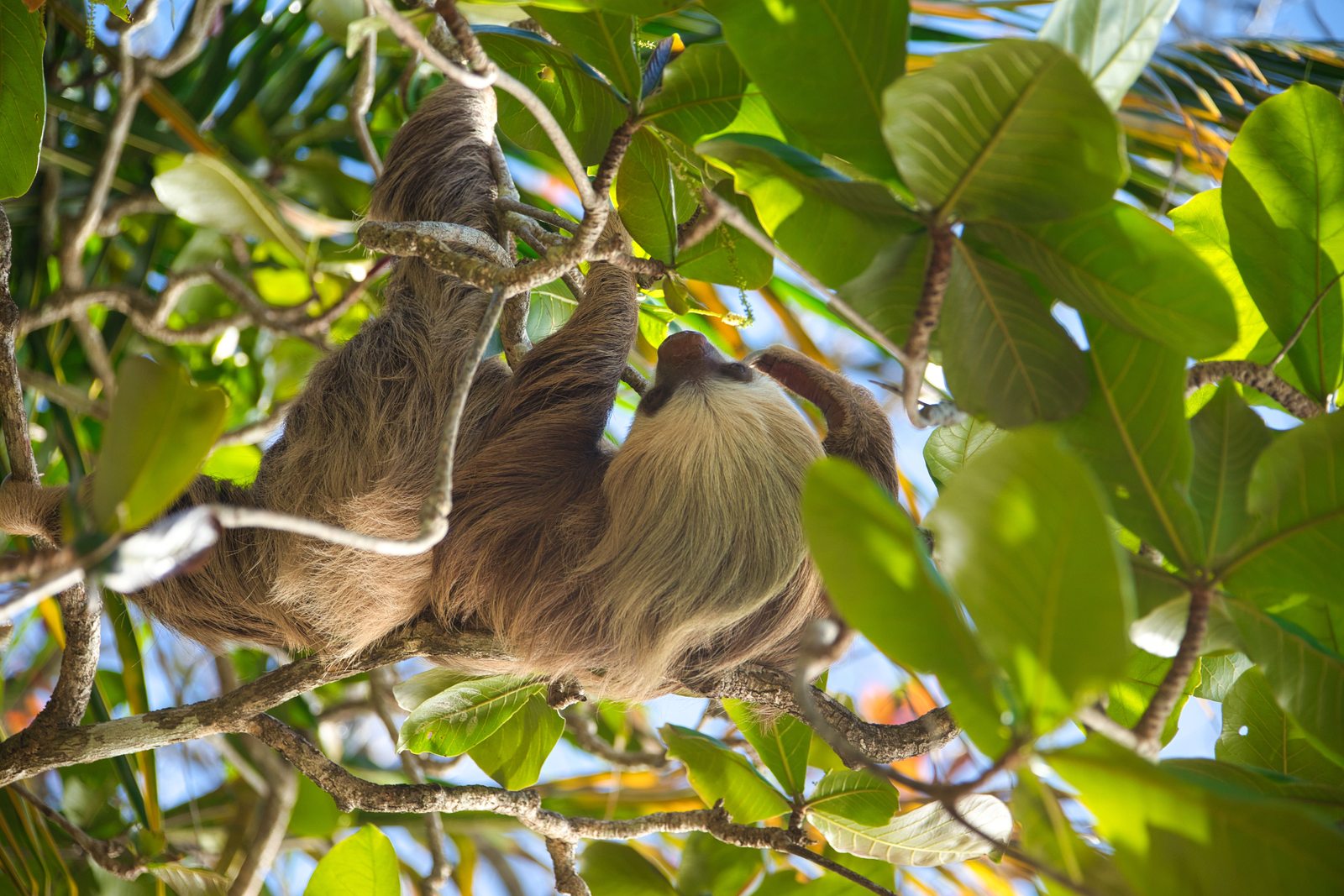
A child has been looking through binoculars for several minutes. There is definitely a leaf. Possibly another leaf. Then someone points out a small movement, and suddenly the whole tree becomes interesting.
That kind of discovery is a lovely starting point for a family trip to Costa Rica. You can build a holiday around paying attention: to animals, to the people who care for them, and to the places that make their lives possible. There is still plenty of room for a pool, a long lunch and a day when the biggest achievement is getting everyone’s wet shoes dry.
A meaningful trip does not require a heroic family volunteering project. For many families, especially those with young children, a carefully chosen educational visit and a knowledgeable local guide will be a better fit. Here is how to choose well, ask useful questions and keep the holiday enjoyable.
Start with the encounter you are paying for
Before comparing animal photographs, read the description of what visitors actually do. Are you observing from a suitable distance? Is the animal free to move away? Are you being offered holding, feeding, posing or an unusually close encounter as a highlight?
Costa Rica’s government-backed Stop Animal Selfies campaign encourages people to respect wildlife’s natural behaviour and keep their distance. Its guidance explains that attracting animals with food or forcing proximity can cause harm. That is a much more useful booking filter than how adorable the promotional photograph looks. Stop Animal Selfies.
Give children an easy rule before the visit: watch quietly, keep your hands and food to yourself, and follow the guide’s instructions. Use binoculars or a zoom lens instead of moving closer. A good holiday photograph can include a large amount of tree.
The word “sanctuary” deserves a little homework. Ask what happens to animals that can recover, how permanent residents are cared for, and which areas visitors cannot enter. Rehabilitation and lifetime care have different purposes. The Global Federation of Animal Sanctuaries explains those distinctions and operates an accreditation and verification programme. Its directory is one useful check, alongside the organisation’s own policies and current answers. GFAS definitions.
Two visits to research, with different locations and boundaries
These are researched starting points, not a guarantee about every aspect of an organisation’s operations. Recheck current visitor arrangements before committing, especially if your family needs step-free access, a shorter visit or a particular language.
Rescate Wildlife Rescue Center, Alajuela
Rescate describes its work as rehabilitation, release, habitat protection and lifetime care for animals that cannot be released. It offers public visits to its sanctuary. GFAS identified it as accredited in its April 2023 newsletter and listed a renewal in June 2025, providing evidence beyond the operator’s own description. Rescate’s mission; GFAS renewal; GFAS accreditation reference.
This may be a practical option if Alajuela already fits your route. Do not add an exhausting detour simply to collect another wildlife stop. Ask which areas are included in a visit, what children can expect to learn, and whether the path surfaces and facilities suit your group. Public access to a sanctuary should never be assumed to include its hospital, rehabilitation spaces or release sites.
Jaguar Rescue Center, near Puerto Viejo on the Caribbean coast
Jaguar Rescue Center offers guided public tours and states that there is no visitor contact with the animals. Its public-tour page describes the route as flat and says a wheelchair is available. Treat that as a starting point for specific access questions about surfaces, weather, toilets, assistance and equipment availability. JRC public tours and FAQs.
Choose this visit if the southern Caribbean is where you want to spend time. Ask the centre what the tour will include on your dates and prepare children for animals being unavailable to view. Veterinary care and animal needs can reasonably take priority over a visitor’s wish list. There is no need to promise a particular sighting to make the day exciting.
A closed door can be a useful answer
The Sloth Institute provides an especially clear example of why “Can we visit?” matters. Its FAQ says: “Our rescue and rehabilitation areas stay closed to visitors.” It does not offer sloth-holding or sanctuary-tour experiences. Do not plan to turn up for a public tour of the rehabilitation operation. The Sloth Institute FAQ.
For children, this is an understandable idea: an animal recovering and preparing for release may need people to stay away. You can learn about an organisation or support its published work without entering every space it manages.
It also helps separate two questions that travel advertising sometimes blurs. You may want to see wildlife, and you may want to support conservation. Those aims can be met in different parts of the trip.
Be realistic about family volunteering
Wildlife care involves training, consistency and tasks that are more likely to involve cleaning than cuddling. A volunteer programme should describe the actual work, supervision, eligibility, time commitment, costs and welfare rules. Ask where a fee goes and whether your participation meets a need the organisation has identified.
For example, Jaguar Rescue Center’s four-week volunteer programme lists a minimum age of 18 and a minimum stay of one month, alongside other requirements. That specific programme is not an activity for younger children or a free afternoon. JRC has other programmes; check each programme’s own conditions rather than assuming the four-week rules apply to all of them. JRC four-week programme.
The Sloth Institute states that it does not traditionally offer short-term volunteer positions. Its internships require applicants to be at least 18 and typically involve about three months. A career-focused placement needs separate planning from a family holiday. The Sloth Institute internships.
Families with younger children can ask a trusted local organisation whether it has an age-appropriate activity it actually needs help with. A supervised cleanup might fit, but only after checking location, hazards, equipment and children’s participation rules. Never treat beach work as permission to approach nesting wildlife, handle animals or disturb habitat. Buying an educational tour or making a carefully researched donation may be the more useful contribution.
If no suitable activity is available, accept the answer. A family does not have to perform volunteer work to travel thoughtfully.
Build a holiday around one region
For a week-long trip, start by choosing the region you want to enjoy, then place one substantial wildlife experience inside it. This is a planning suggestion, not a claim that one itinerary suits every family.
A southern Caribbean stay could combine a pre-booked JRC tour with a separate guided nature walk, time in town and unstructured days. If you are considering Rescate near the beginning or end of a trip through Alajuela, allow enough time for airport logistics and rest. Verify transfers with the people operating them; a short line on a map can conceal a demanding travel day.
Avoid booking a major wildlife visit immediately after a long international arrival. Children may be fascinated by conservation tomorrow. Today they may need a sandwich and somewhere horizontal.
Leave a weather alternative and check local conditions before outdoor activities. Choose guides and routes around your family’s walking tolerance and access needs. For any beach time, ask about current swimming conditions and supervision; a beautiful shore is not evidence of safe water.
Let children have a real role
Give each child a small question to investigate. What does the animal eat? Why might it need rescue? What would help it live independently? Older children could compare two tour descriptions and identify which details they still want to ask about.
Afterward, let everyone choose one thing to remember. A drawing, a sentence or a photograph is enough. Skip the compulsory holiday essay unless you happen to be travelling with a child who loves writing them.
Keep local people in the story too. Pay fairly for guiding and other services, ask permission before photographing someone, and choose activities that local hosts want to offer. Learning a few useful Spanish phrases can give children a way to participate in everyday exchanges without turning anyone they meet into an unpaid teacher.
Before you book: the family checklist
- Confirm the exact visitor activity and its no-contact rules
- Check the organisation’s mission, current policies and relevant independent evidence
- Ask which spaces are open and which are restricted
- Confirm children’s eligibility, language, visit length and adult supervision
- Ask specific questions about paths, shade, toilets and accessibility
- Read the full price, cancellation terms and weather arrangements
- Check transfers without relying only on a map estimate
- Confirm any volunteering role separately, including minimum age and duration
- Prepare children for quiet observation and no guaranteed sightings
- Leave room for rest and ordinary holiday fun
The most memorable moment may arrive on a guided walk, during a thoughtful conversation, or while everyone is waiting for one very unhurried animal to move. Give that moment time. Then go and have lunch. Responsible travel should leave the animals with their space and the family with a holiday worth remembering.